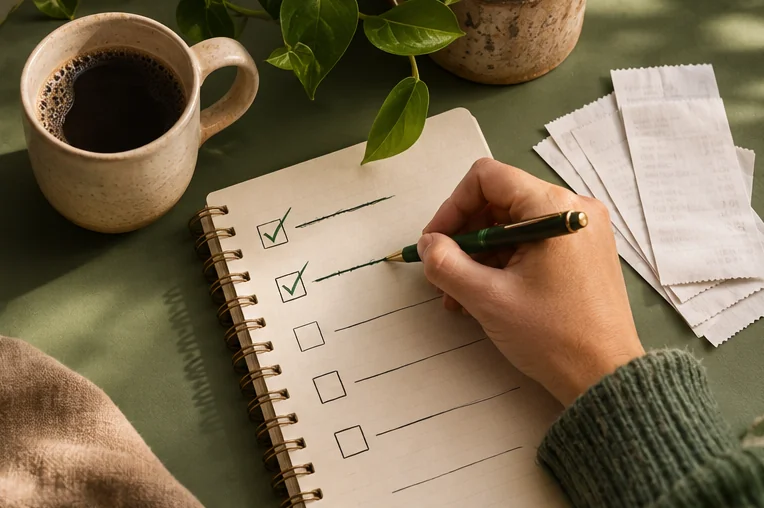
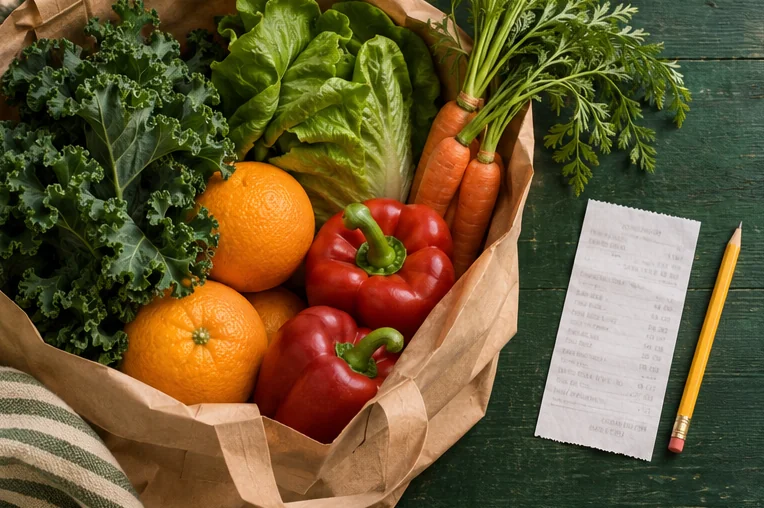
Open your last grocery receipt and look for the ingredients you bought for one recipe and never touched again. Those are a better place to start than a new coupon app. A useful grocery budget starts with what you already eat, what you already own, and how often you actually shop.
Give every shopping trip a number
Add up one month of grocery receipts, including midweek stops and pickup orders. Separate household supplies, pet food, delivery fees, and takeout if you want to track those categories elsewhere. Keep the same boundaries next month so that the two totals are comparable. If a holiday or a bulk purchase made the month unusual, write it down beside the total.
Set a starting target you can live with, then count the main trips already on your calendar. With a $450 monthly grocery budget and four main trips, you could assign $100 to each trip and hold $50 for restocks or price changes. In a month with five main trips, $80 per trip leaves the same $50 reserve. If the reserve is often gone by the second week, look at what you’re using it for before lowering the target again.
Build the list from meals you’ll cook
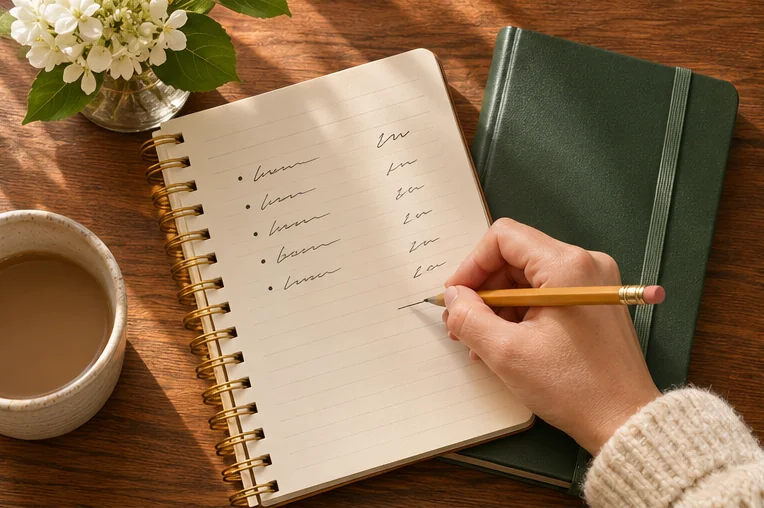
Check the fridge, freezer, and pantry before choosing recipes. Write down two things that need using first and plan a meal around each. If you already have rice, carrots, and a bag of frozen peas, you might need eggs and an onion to make dinner. Put a simple backup dinner on the list, especially for a night when cooking time is tight.
Group ingredients that can do double duty. A head of cabbage can go into tacos on Tuesday and a stir-fry on Thursday. If the second meal is unlikely to happen, choose a smaller package or an ingredient you can conveniently store. Add quantities to the shopping list, so you can recognize when a sale would leave you with more than you have a plan to use.
Compare the same unit at the shelf
Look at the shelf tag for the price per ounce, pound, or other unit. When two tags use different units, convert them first. A 16-ounce bag of rice at $3.84 costs 24 cents an ounce. A 24-ounce bag at $5.28 costs 22 cents an ounce. The larger bag saves two cents per ounce if you use all of it.
Check the price of what you’ll use
If you only end up using 16 ounces of the larger bag, the $5.28 you spent works out to 33 cents per ounce used. With shelf-stable items, buying extra can make sense if you have a storage plan and cash in the grocery budget. For produce, check whether a smaller or frozen package fits the meal and avoids an extra trip. Compare like products, especially when one package has a different usable yield.
Review the receipts after two trips
Circle one ingredient you wasted and one extra trip you could have prevented. Change one thing for the next two shops. If you keep buying bread midweek, move it onto the main list. If a bulk purchase appears expensive this month but covers several meals next month, note that in your budget instead of cutting the next trip too aggressively.
Try the numbers
Monthly Budget Calculator
Give income, expenses and savings a place in one monthly plan.
Sources
Hazel Saves provides general financial education. Read the financial disclaimer or report an issue.